Visualize What?

Networked digital information creates many new opportunities. One is visualizations.

Humans have the ability to understand and interpret visual representations quickly. Pouring over millions of documents or data points to gain a similar understanding could take years if not a lifetime.

Computers, on the other hand, have the ability to crunch millions of megabytes with speed and ease–while possessing no end understanding or interpretation(I hope).  Computers are also very good at rendering visual representations.

Take, for example, Fastcase and CourtListener citation visualizations:

This slideshow requires JavaScript.

Or West Monitor Suite and Docket Navigator judicial visualizations:

This slideshow requires JavaScript.

Information is quickly communicated and manipulated.

What data sets or corpora should we be examining?  What questions should be asked?  And how should answers be presented visually for maximum understanding? Data manipulation and end visualization is completely dependent on the question(s) being asked.

What do you want to know?


Study Rooms

In case you were not aware (you were), exams are just around the corner. No doubt correlated, study rooms are becoming quickly sparse. What can you and your study partner(s) do to ensure access to a crisp private study room?

Book in advance.

Quicker circulation lines. Guaranteed reservation.   Quasi-VIP.

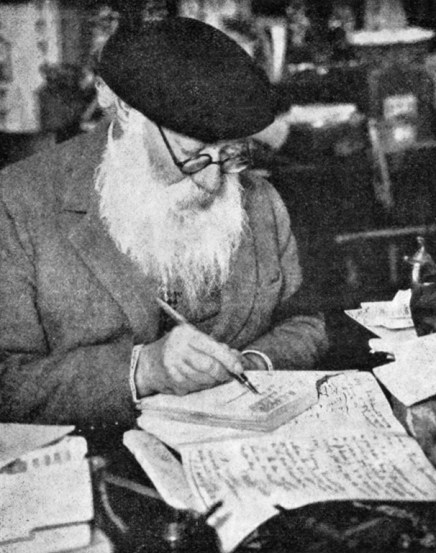
francis_jammes_2

Francis Jammes in his study room.


Also available at circulation: ear plugs.

Baby Blue

The Bluebook. The mere mention can incite strong emotions in the law community. Some of love (perhaps Stokholm syndrome from long law review hours?) and some of hate.

Why is a system designed in an age of manual typesetting still dictating the law community’s citation formatting?

This question has been asked for decades and prompted the creation of alternatives. Richard Posner even wrote a law review article entitled Goodbye to the Bluebook in 1986. Throughout years of complaints and criticisms the Bluebook has remained the gold standard.

the_bluebook_18th_ed_cover

Baby Blue is a project started by NYU to create [yet] another Bluebook alternative. However, Baby Blue is not really an alternative.  Instead it is more of a “re-expression” of the rules–the stated goal being to breakup “the cartel” controlling the publishing and updating of the Bluebook.  Idealistically, legal citation rules should be simple and freely available to all.

The Harvard Law Review initially took exception to Baby Blue and sparked many discussions about the the Bluebook’s copyrightability. The historical origin of the Bluebook was even researched and called into question.

Does Baby Blue infringe on the Bluebook’s intellectual property?  Who can assert a copyright claim?  These interesting questions may never be resolved; as of the creation of this post Baby Blue is freely available online.